How to build an agile roadmap
Agile planning promises speed — but mindful planning still matters
Last updated: September 2026
An agile roadmap gives teams just enough structure to plan releases, features, and initiatives — while staying flexible as priorities change. This guide shows how agile roadmaps support fast-moving teams, what they should include, and how to build lightweight, adaptable roadmaps that align strategy, execution, and stakeholder expectations. |
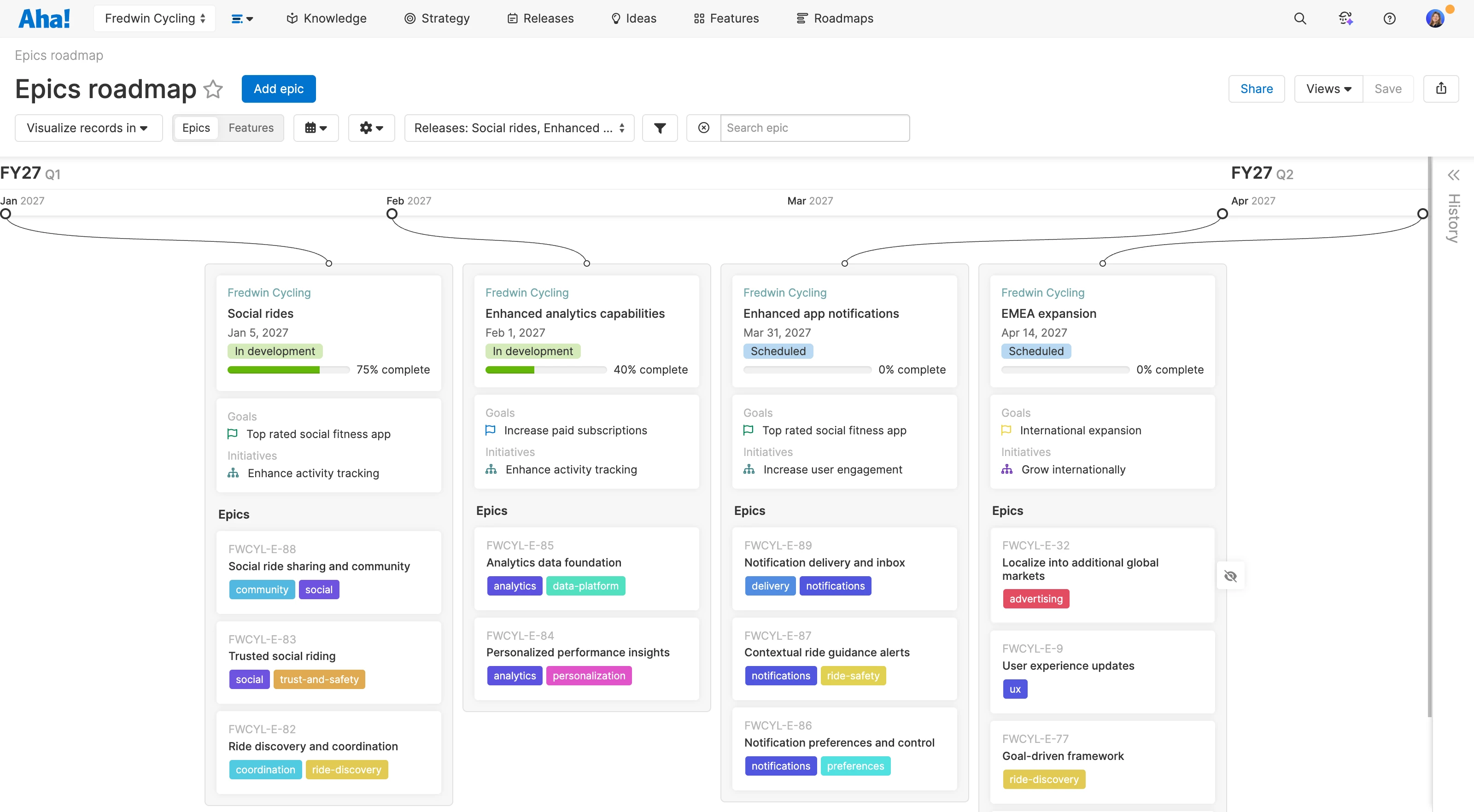
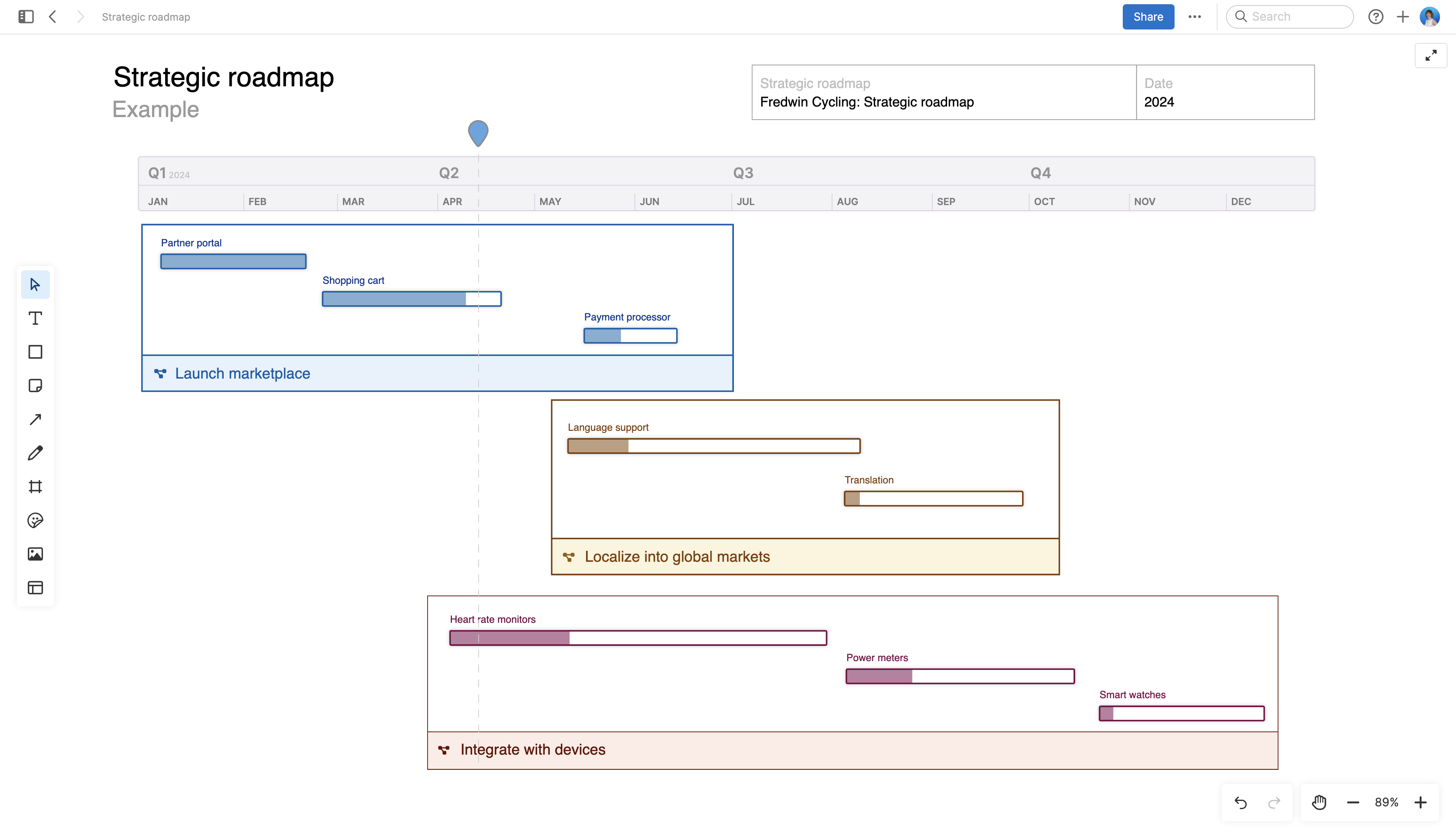
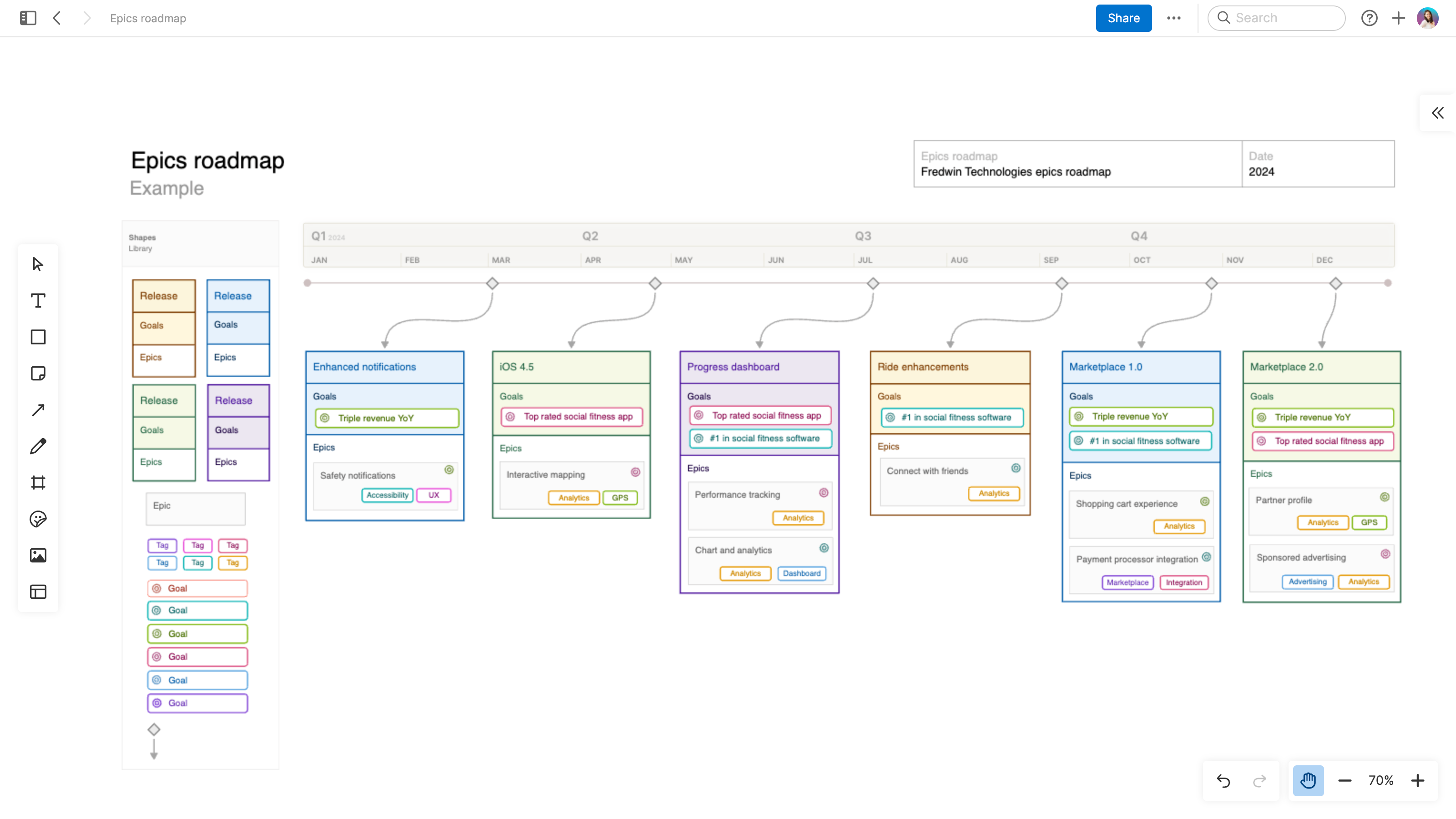
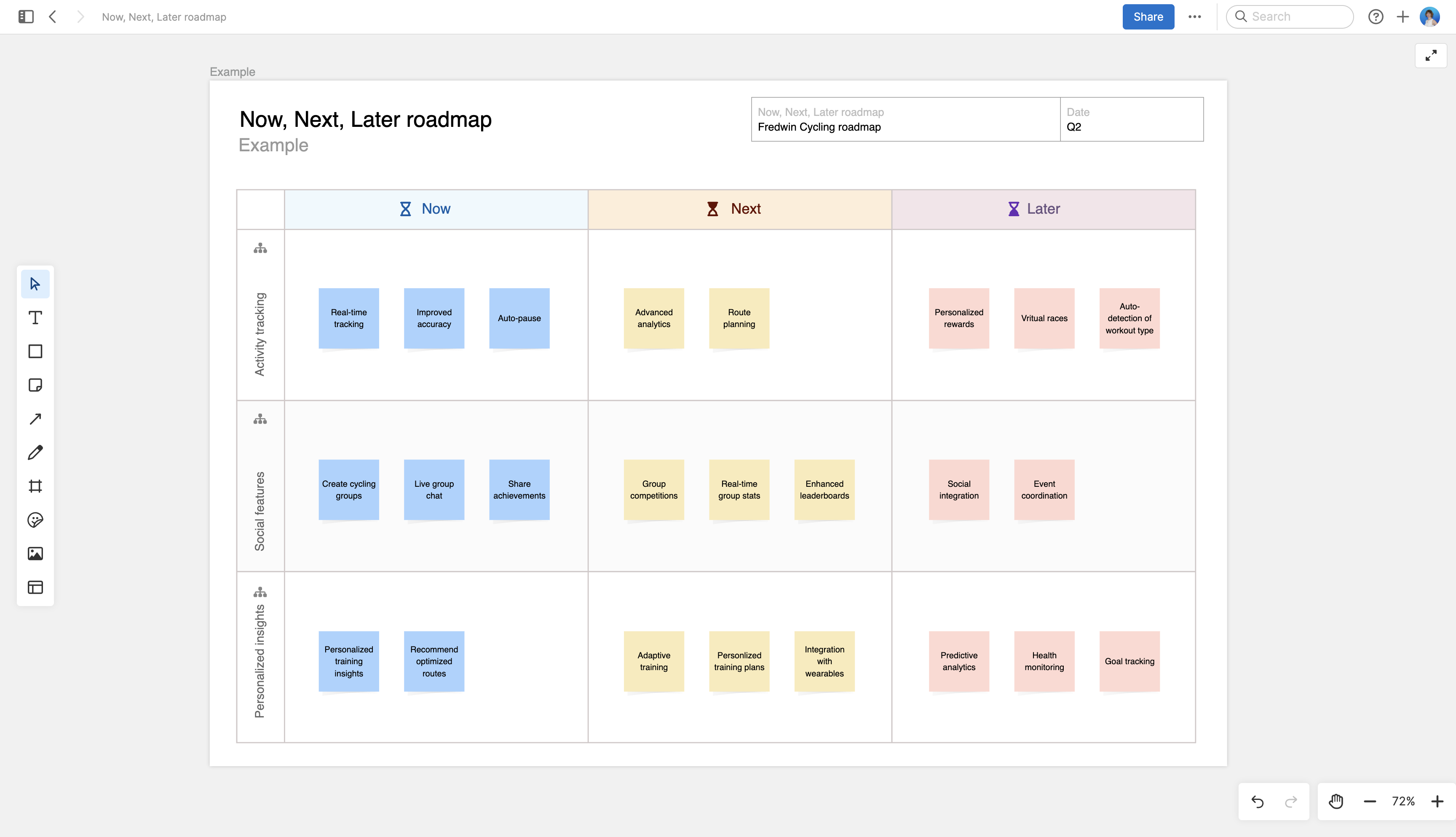
An agile roadmap is a flexible planning tool that helps teams map out key initiatives, releases, and features over time. It provides structure for agile teams while allowing for adaptation as priorities evolve. Taking an agile approach to creating a roadmap means focusing on iterative development and being ready to adjust your plans based on evolving priorities.
It is informed by high-level strategy and provides transparency for stakeholders and teammates, typically including components like upcoming product releases, epics, and features. Unlike a backlog (which is a catchall list of new product updates and bug fixes) or a sprint plan (which is just about development work), an agile roadmap captures how you will ship a holistic customer experience.
Agile roadmaps are most useful when you are working on something new. You need to have a plan for the "why," the "what," and the "how" of what your team will build. This could be the release of a new application version, a new feature set, or an entirely new product.
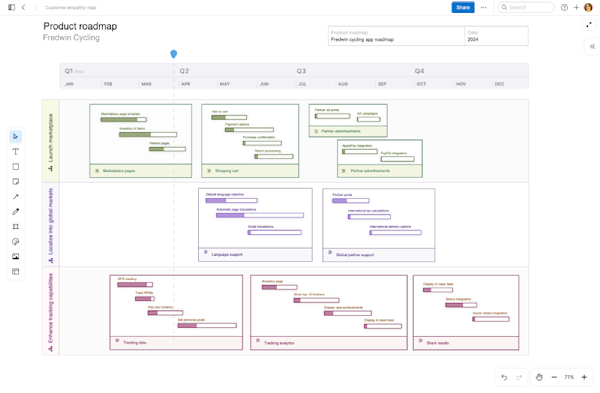
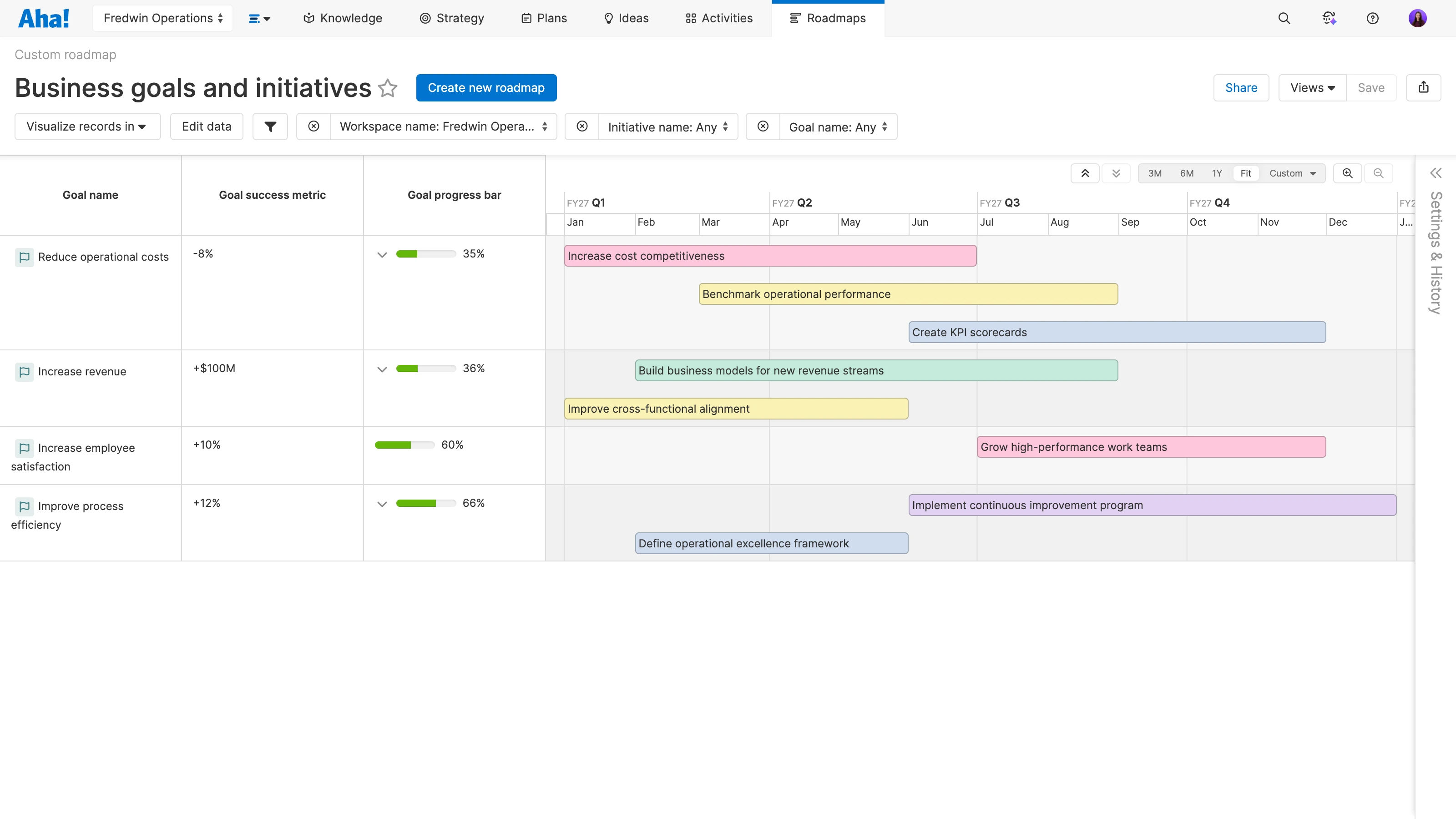
In looks and in purpose, agile roadmaps closely resemble most other product roadmaps. So, what really makes an agile roadmap "agile"? The key difference is in how you use it. The idea is to emphasize adaptability so you can respond rapidly to real-time feedback and changing needs. To accommodate this approach, agile roadmaps are often shorter-term and more lightweight than traditional product roadmaps.
This guide includes examples and best practices to help you learn how to build agile roadmaps — so you can drive more value, faster.
Jump ahead here: