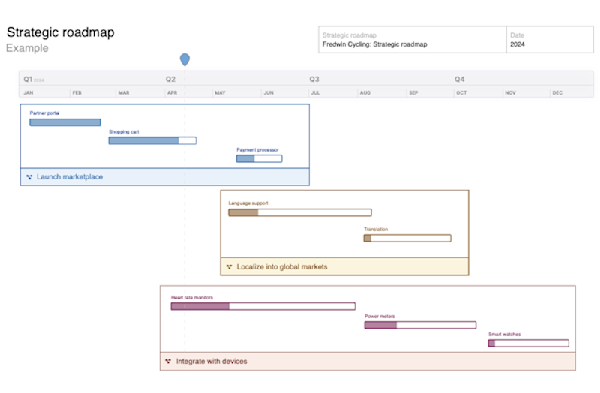
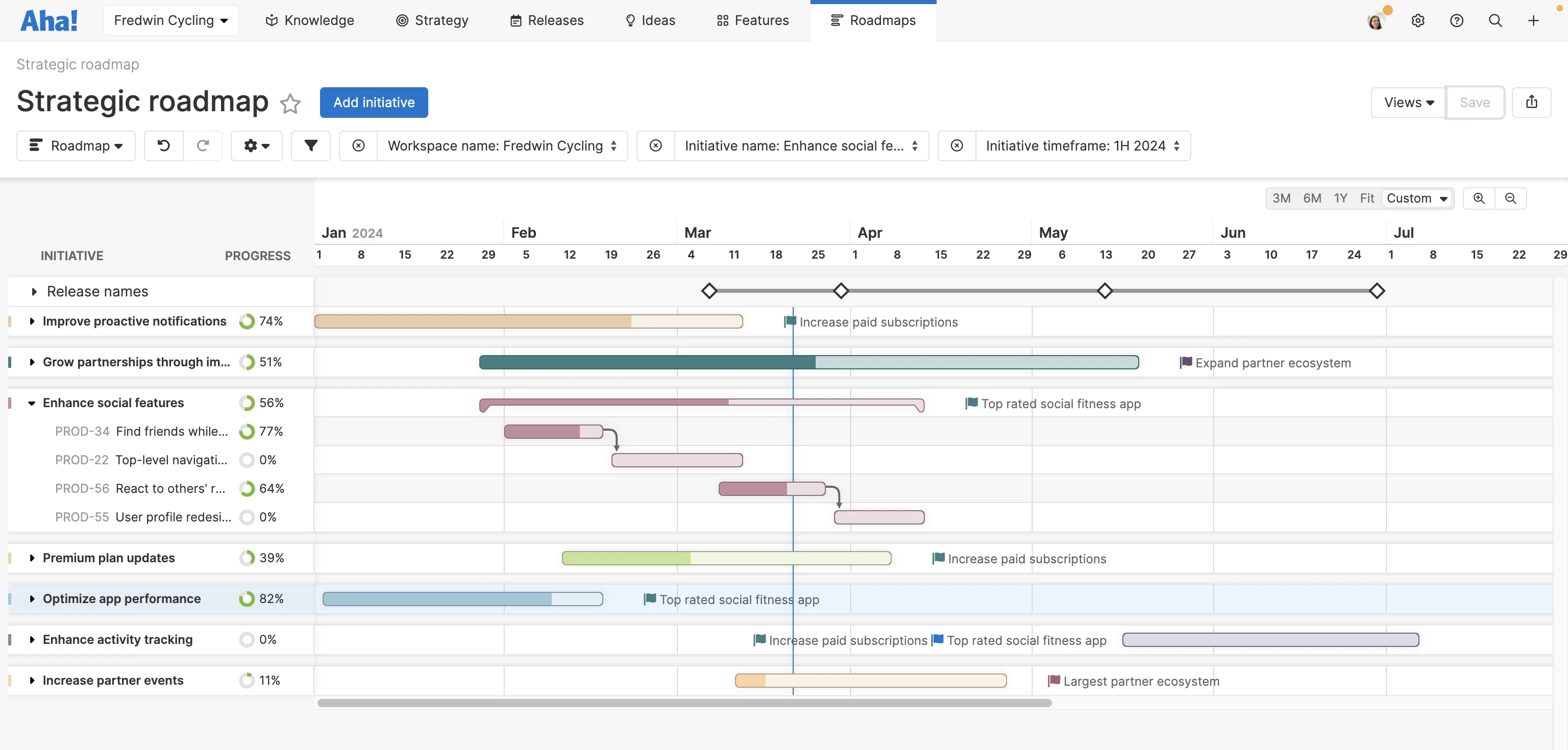
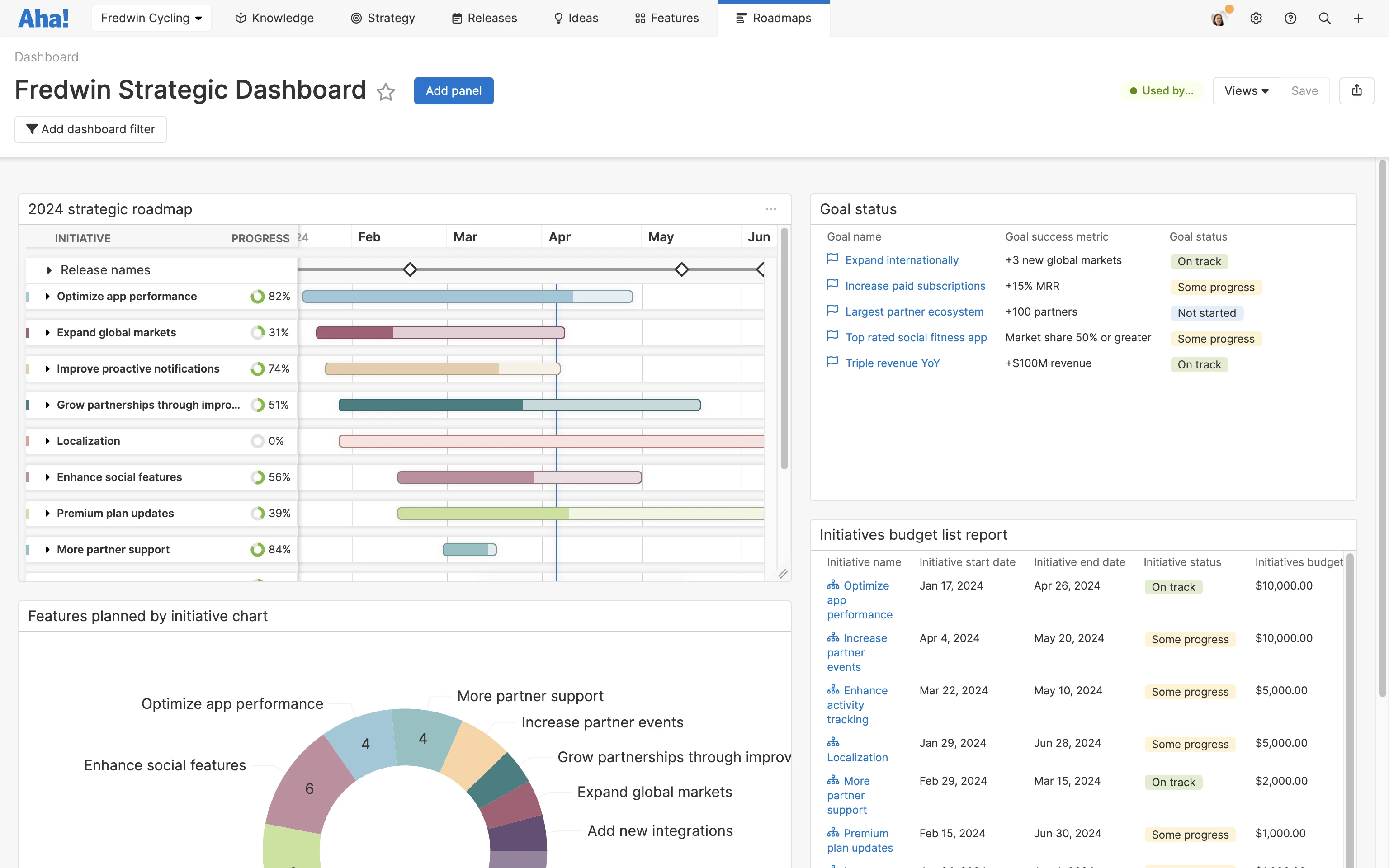
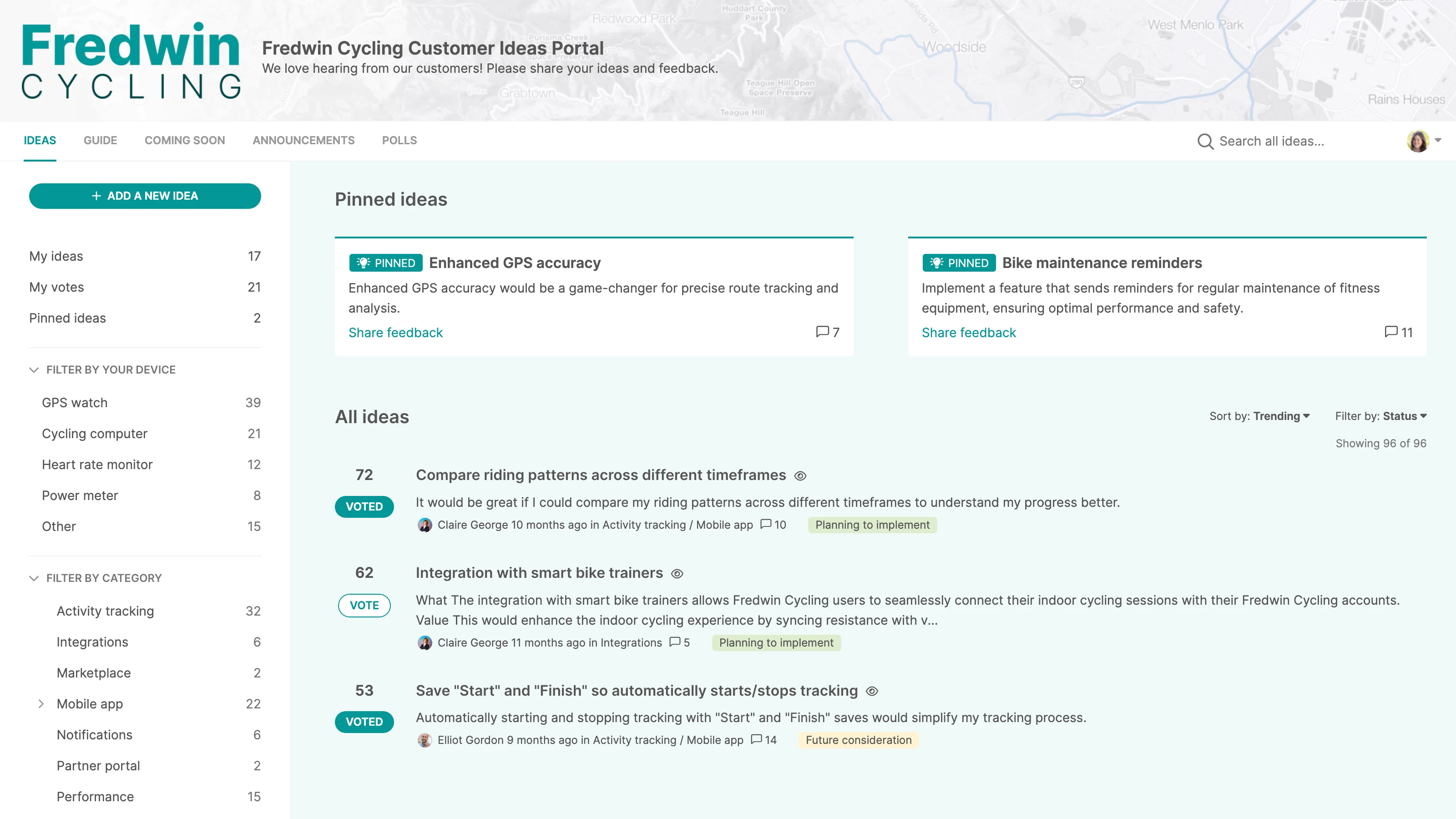
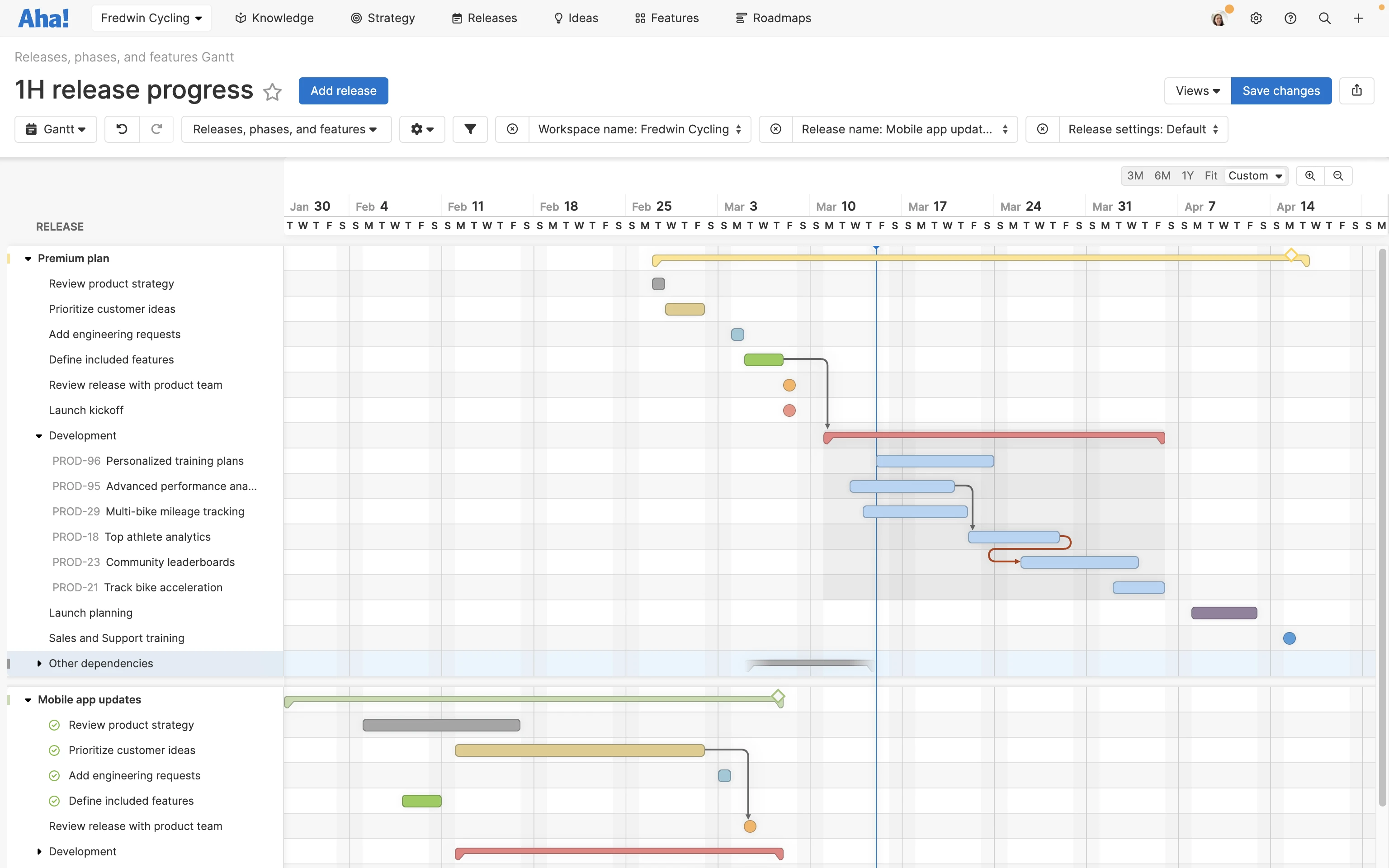
The frequency of your updates will depend on the type of roadmap you are building. For example, most product managers update a features roadmap on a weekly basis to see continual progress on new features and help inform release management. You might update a strategic roadmap just as often — so stakeholders can see how high-level efforts and initiatives contribute to achieving the product goals.
Roadmaps can also change when there are larger company, product team, or process shifts. For example, say your business has hired a new CEO or CPO who wants to adopt a new product development process. Or maybe you have decided to move away from a more rigid methodology such as the Scaled Agile Framework (SAFe®) and try a different approach.
Roadmap adjustments might also happen to accommodate any unforeseen shifts in market trends, customer-provided product feedback, and team priorities. How wide-ranging those changes are could mean rethinking your future plans.
Keep reading for more insights into the "when" behind roadmap planning, or use the following links to jump ahead to a specific section:
When to plan your roadmap
In general, you can expect product teams to engage in roadmap planning at least once a year. Our team follows The Aha! Framework for product development, which calls for a half-year cadence, but your frequency might be more or less often. It really depends on the industry you are in, the maturity of your product, and your preferred workflow.
For example, companies in highly competitive and dynamic industries (tech being one example) or organizations with younger products need to evaluate and adjust their plans more often. This is often in response to things like the success of a product launch, new product ideas, or additional product requirements that tend to surface quickly in fast-moving markets. But companies in traditional or highly regulated industries (such as healthcare, finance, and manufacturing) often plan their roadmaps years in advance.
Outside of these scheduled updates, there are other times product managers adjust the roadmap. Any major organizational change — a strategy shift or new business investment, for example — will require you to reconsider product plans. Below, we will take a look at some of the biggest changes that drive roadmap planning.
Related:
Top
Strategy shifts
Product managers typically align product goals with one or more business-level goals — think: revenue growth or market expansion. This is because changes at the business level will impact goals and initiatives at the product level.
For example, business leaders might choose to expand into a new market. Or you might introduce an initiative based on competitor analysis or a newly discovered customer need. Ideally, shifts in business strategy occur somewhat predictably and in advance. If business plans are well communicated within the organization, you are better positioned to adjust the product strategy and roadmap accordingly.
Of course, changes in strategy might precipitate fairly considerable changes to your roadmap. With this, it is wise to communicate the impact broadly. The engineering team needs to understand the bigger picture so the shifts in work make sense. And customer-facing teams might need to help reset customer expectations surrounding upcoming priorities. Strategic roadmap shifts can be some of the most demanding changes for the product team, so communication is key to keeping everyone informed and in sync.