Below are actionable tips for implementing agile workflows, better collaboration between product management and engineering in an agile environment, and more streamlined ways to track progress. Just remember to take everything as general guidance. Evaluate it all through the lens of your own situation and adjust as needed.
Best practices for implementing agile
1. Organize teams with intention
There is a direct correlation between how you organize teams and their effectiveness. Agile teams are comprised of many cross-functional stakeholders, often with dedicated product managers or product owners, scrum masters, and developers. But before you jump to assigning roles, evaluate how teams currently perform and see if you can spot groups that are already working at full potential. Then, organize projects around motivated individuals with a proven history of achievement.
Related:
2. Nurture new ways of thinking
Remember that newly formed teams will take time to gel, and implementing agile takes an ongoing commitment to learning. You might find that some patterns of behavior need to be unlearned as well. Seek opportunities to refine processes and skills together. If you choose to provide agile training, be sure to give everyone the same training regardless of their tenure at the company or overall career experience. You want everyone operating from the same playbook.
3. Document for transparency
Rules, events, processes — do not assume everyone understands (or will remember) all of the agile practices you intend to implement. Document and share everything with the team so people stay informed and, more importantly, aligned on what you want to achieve. You might even create a charter that captures agile roles and responsibilities across product and engineering.
Best practices for agile team collaboration
4. Set communication guidelines
Productivity is directly impacted by how the team communicates. If you are following an established agile framework such as scrum methodology, there will be defined touchpoints for conveying priorities and making decisions. If you are choosing a more generalized agile approach, you will need to define communication guidelines on your own. Consider a regular cadence for face-to-face meetings versus when and how to collaborate asynchronously.
5. Focus on the customer
Building software is about solving problems for people. Yet it can be tempting to go insular — this is especially true if developers have been able to focus on one area of the product in relative isolation.
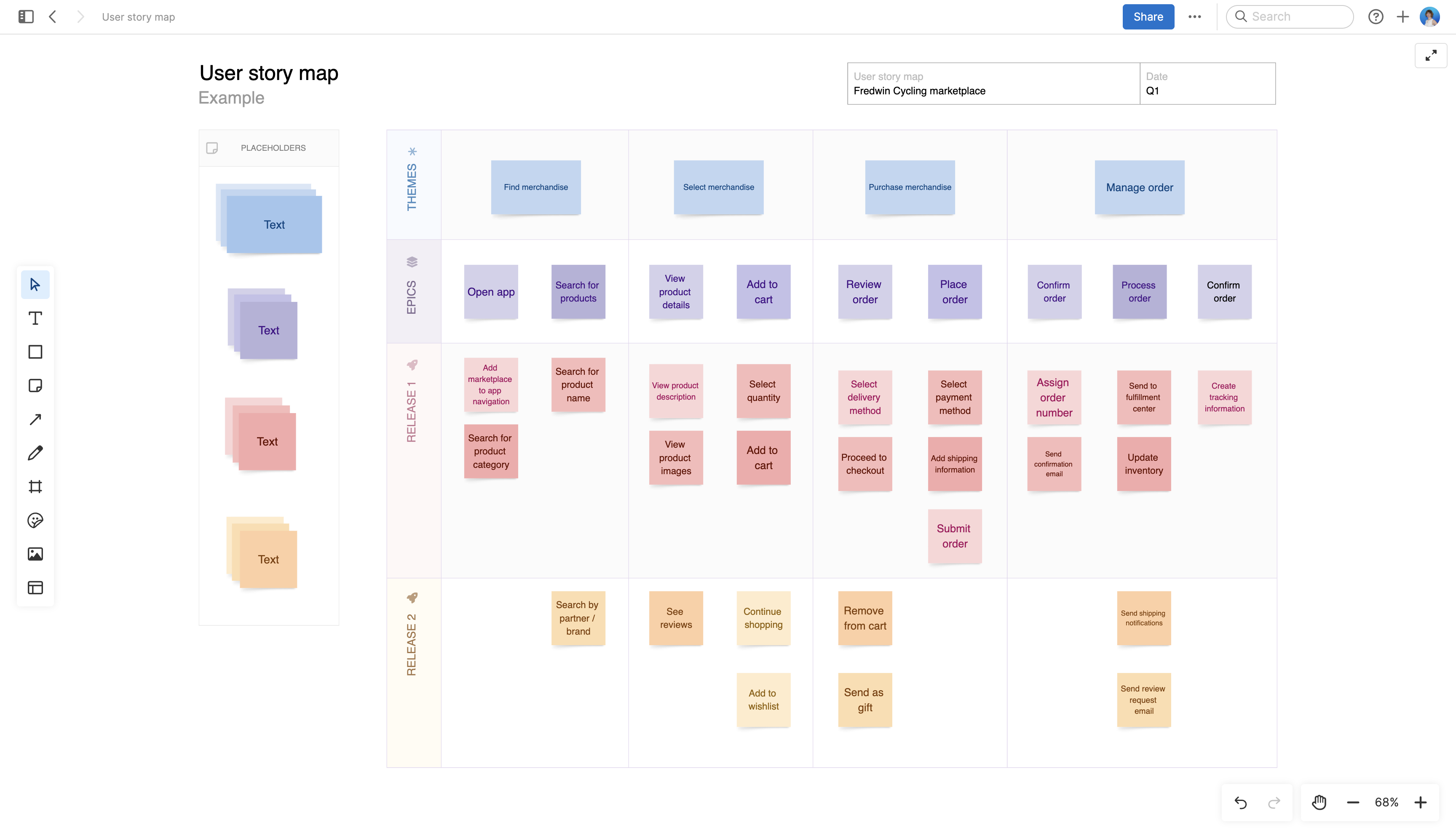
But truly lovable products are the result of a holistic view of the customer experience. These folks use your entire product, not just one feature. So even if your product is complex enough to have many subteams focused on specific aspects, you want to encourage collaboration with the customer as much as possible. Both teams can contribute here: Product managers might share findings from customer interviews and ideas, and engineers can speak to support tickets and product usage. Completing exercises such as user story mapping can help you synthesize it all.
Related:
6. Invest in team building
Teamwork is the secret ingredient to effective agile development. Communicating freely and sharing creative ideas requires trust — you have to earn it.
Working together daily is not enough. Team building might seem like a distraction when you have lots to do, but the reward will bear out the longer that the group works together. Carve out time for connection unrelated to the job. When people feel connected, they will be more accountable to one another, better able to give meaningful feedback on how to improve, and invested in the success of whatever they are working on together.
7. Reflect on effectiveness
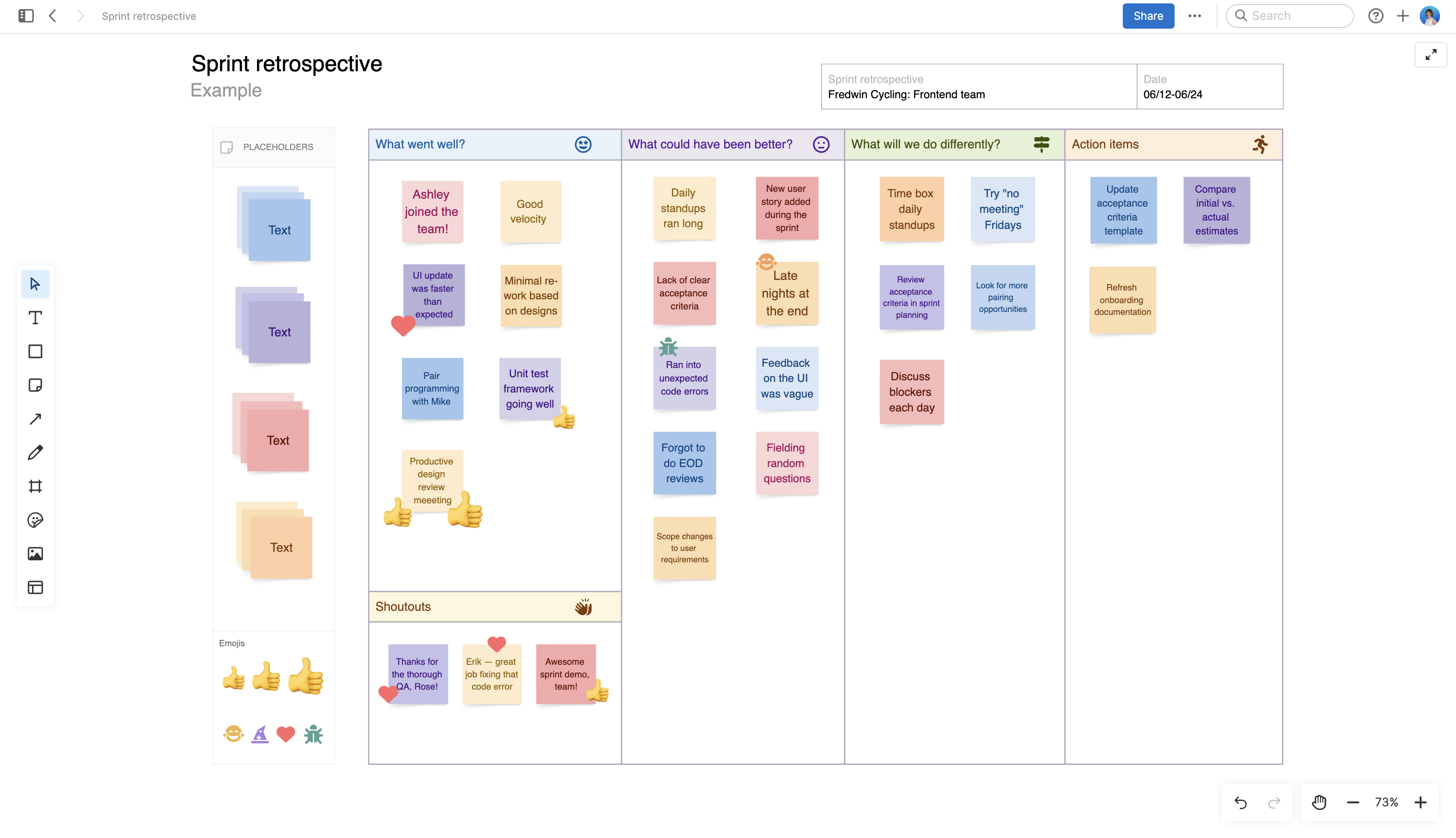
Reflection and continuous improvement are core tenets of agile. You will want to establish a consistent forum for reviewing the team’s effectiveness, formulating hypotheses, and evaluating outcomes. Make changes based on the data related to the problem, not individual opinions. This makes it possible to be more objective when measuring improvements and avoid blaming or shaming people. Even better, you can fix issues in real time.
Most teams accomplish this via regularly scheduled agile retrospective meetings. Make sure product management joins these sessions alongside engineering. That way, you can all consider areas for improvement beyond sprint planning and performance (such as the broader product development process and overall relationship between teams).
Best practices for managing agile workflows and tracking progress
8. Support flexibility and creativity
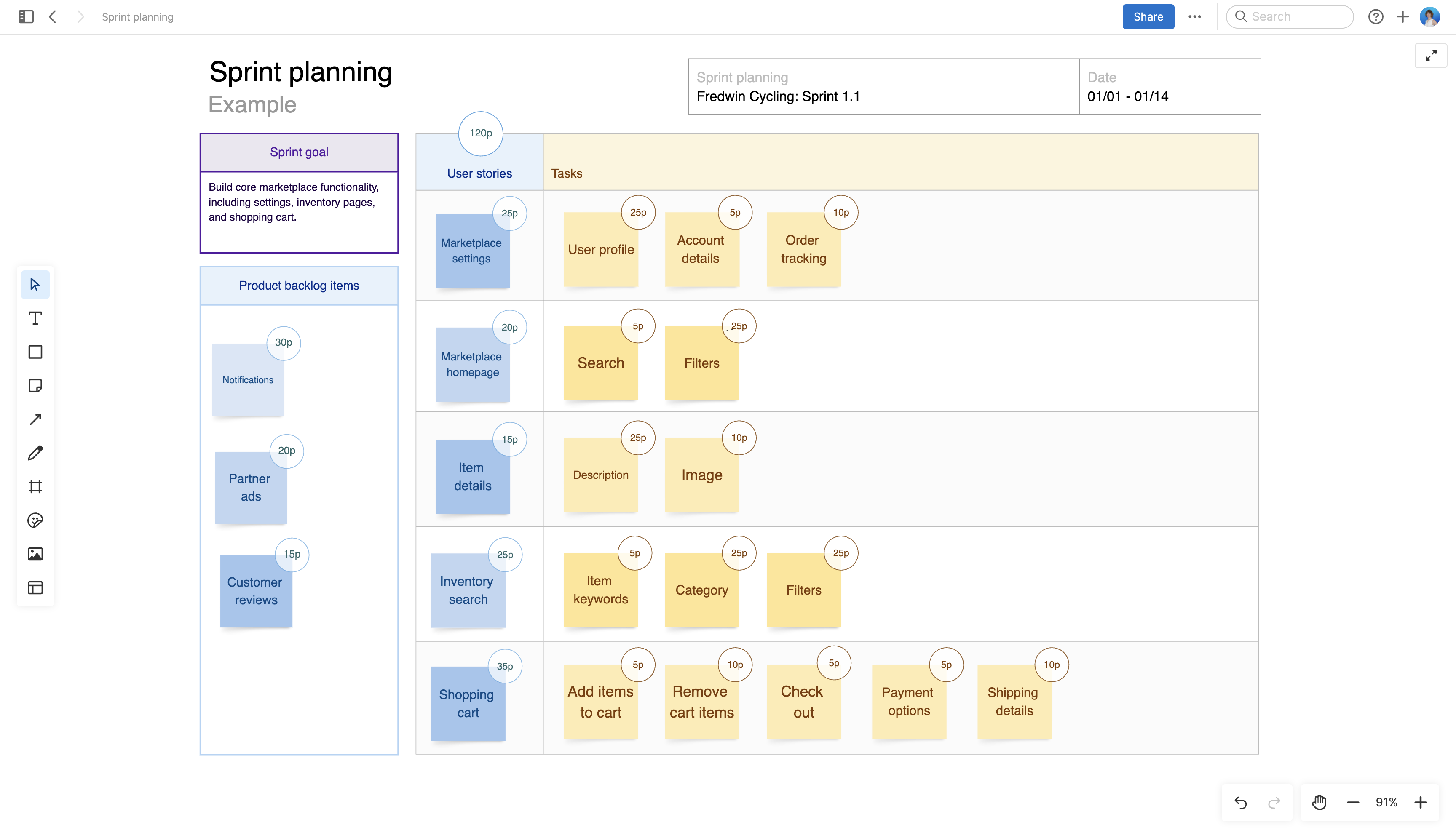
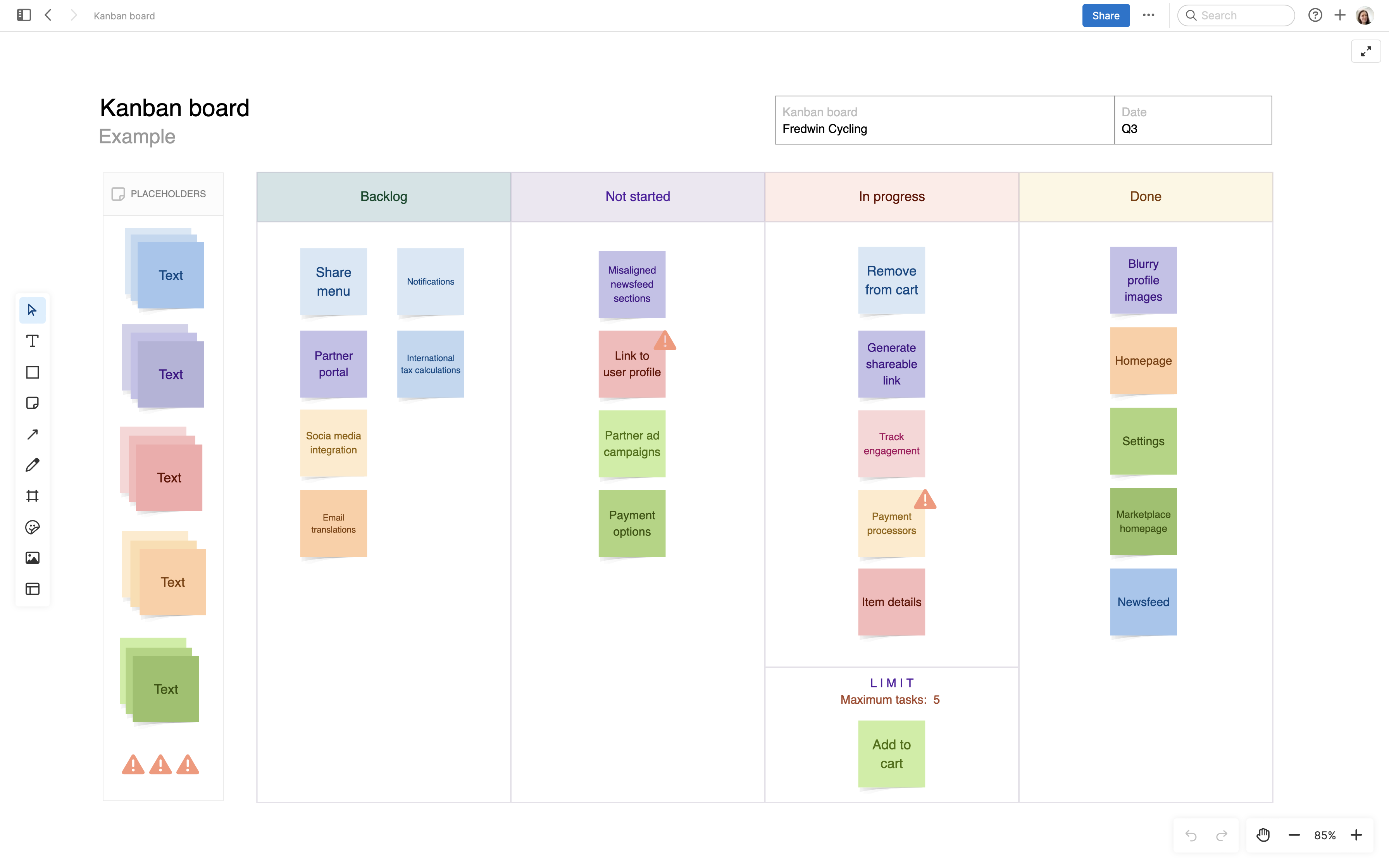
Agile software development requires clear requirements and well-defined processes. But not everything has to be so meticulous. For activities such as sprint planning and daily standup meetings, try using a digital whiteboard. Many agile teams use whiteboard software as a collaborative visual space to come together quickly on ideas and plans.
Using colorful shapes and sticky notes, emoji votes, and voting tools makes for a more delightful agile planning experience — helping build relationships and break down barriers to free-flowing communication between product and engineering. AI-driven coding tools and templates like these can also give you a speed boost.
9. Connect environments
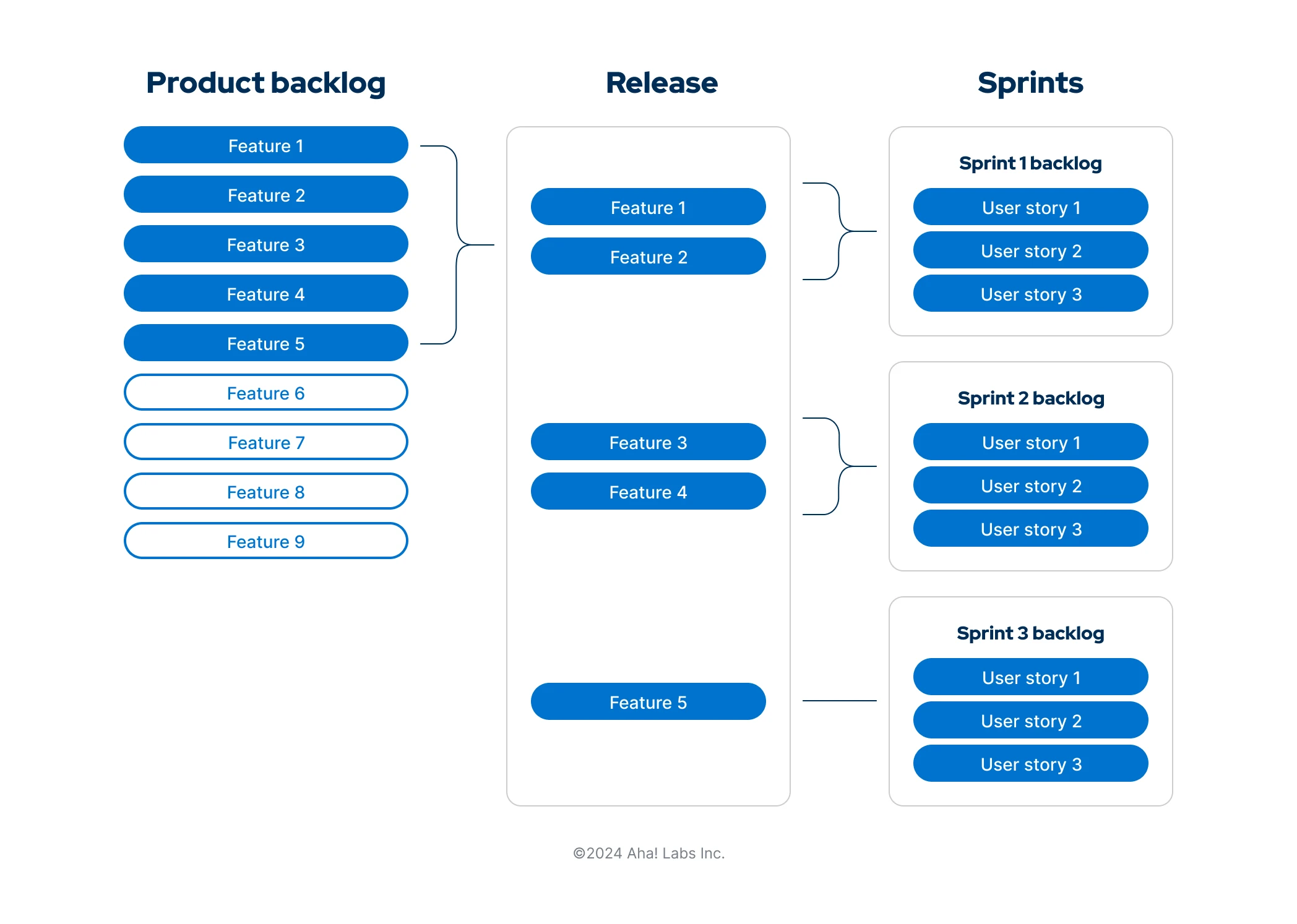
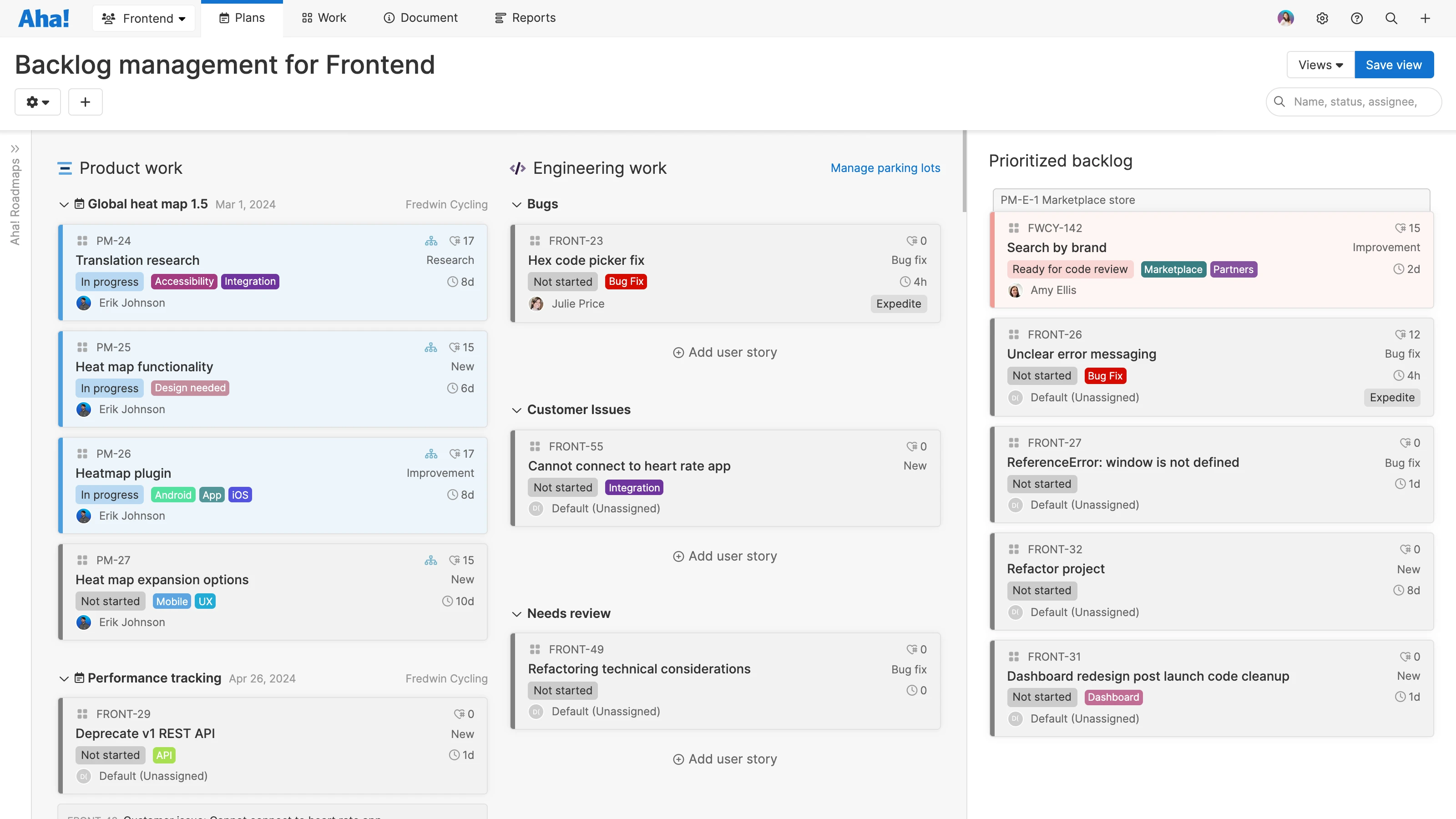
Product managers maintain the roadmap and product backlog. This feeds into engineering's sprint backlog and workflow tools (such as kanban boards). Ideally, work should move straight from one team to the next. But this handoff is not always as smooth as it could be, especially if you are working in disjointed software environments.
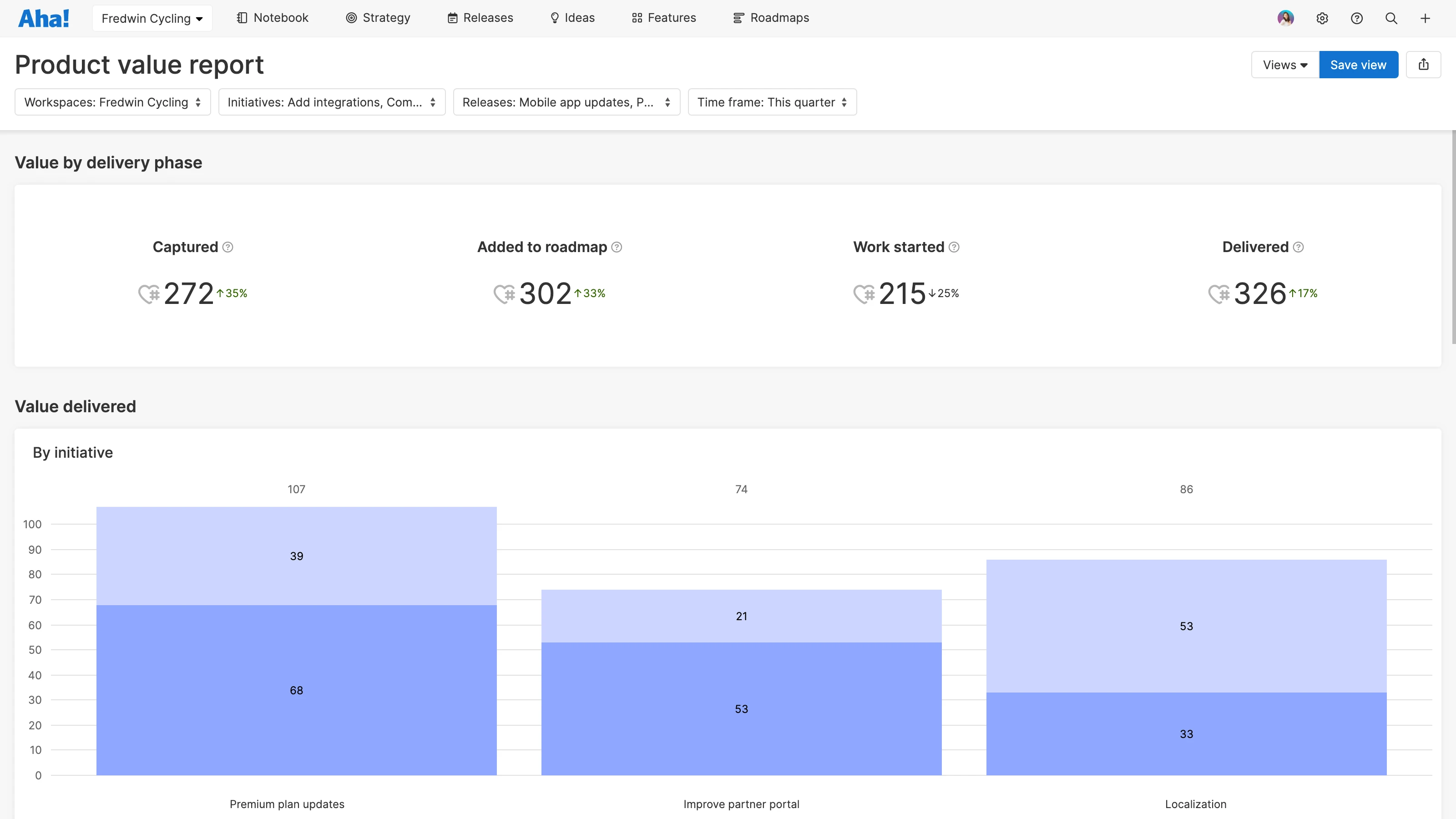
It is worth considering tools that can help you send work seamlessly from product to engineering and increase visibility into progress. This could look like an integrated backlog or automated status updates.