What is the Complete Product Experience (CPE)?
What is a product?
A product is any item or service that a business sells. Right? Not necessarily. In fact, a product is so much more. It is the entire experience that customers have with your company. This starts the moment someone realizes they need a solution to their problem and includes the tools your teams use to support that customer.
There are many blogs and books covering the customer experience. Aha! co-founder and CEO Brian de Haaff first wrote about the concept of the Complete Product Experience (CPE) in his 2017 book, Lovability. The CPE encompasses every interaction people have with a product, from discovering it and making a purchase to becoming loyal advocates. Brian also writes that in particular, product managers need to focus on building a Minimum Lovable Product (instead of a minimum viable product) to realize a CPE.
Building lovable products requires you to consider all the touchpoints people encounter as they use your offering and engage with your team. Every interaction — whether positive or negative — contributes to how people feel about your company and product. To ensure a CPE, then, you have to think holistically. You must cultivate a relationship with customers based on respect, trust, and lasting value.
In this guide, we will look beyond the hardware or software we often think of when we say "product." This means examining exactly what it is that customers buy and the role product managers play in delivering the CPE. Keep on reading, or use the following links to jump ahead to a specific section:
Why should you think holistically about your product?
Thinking holistically about the entire experience you offer is essential to business success. People can tell whether or not a company truly cares about helping them. This is true at any stage of the customer journey. For example, consider a sales team that glosses over prospects' questions or uses high-pressure sales tactics. When people feel coerced into purchasing a product, they might naturally assume that the company is only interested in making a quick sale. Those customers who have unhelpful interactions with the support team or unpleasant experiences with your company's policies? They will probably remain one-time buyers. Or worse — they will look for a competitor that offers a similar product with better service.
This is why it is so important to put customers at the center of all you do. The most successful companies constantly strive to optimize each component of the customer experience. Viewing every touchpoint as an opportunity to improve people's lives shows that you care. It demonstrates that you understand their struggles, empathize with their pain points, and want to invest in building a long-term relationship. Over time, this inspires customer loyalty (and even lovability).
Related:
What are the components of the CPE?
Besides thinking about the actual goods or services you provide, you need to consider the other interactions that contribute to people's experience with your product. We can bucket these into high-level phases of the customer journey:
Pre-purchase interactions: When customers visit your website, read reviews and testimonials, and peruse your social media channels
Purchase interactions: E-commerce or in-store shopping experiences involving checkout, payment, interactions with staff, and trials that (hopefully) make customers want to buy
Post-purchase interactions: Order status communication, quality of customer support assistance, and interactions with the technology you use to deliver your product
Ongoing engagements: How your customers feel about loyalty programs, forum or user group activity, and your internal team's responsiveness to requests and ideas
Long-term relationship building: What customers think about the account or product support you provide, any upsell or cross-sell experiences, and how personalized their interactions with your company are
Let's take a deeper look at the key touchpoints you have with each customer.
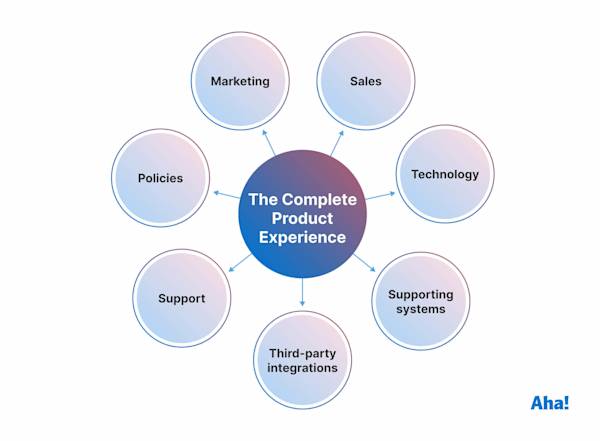
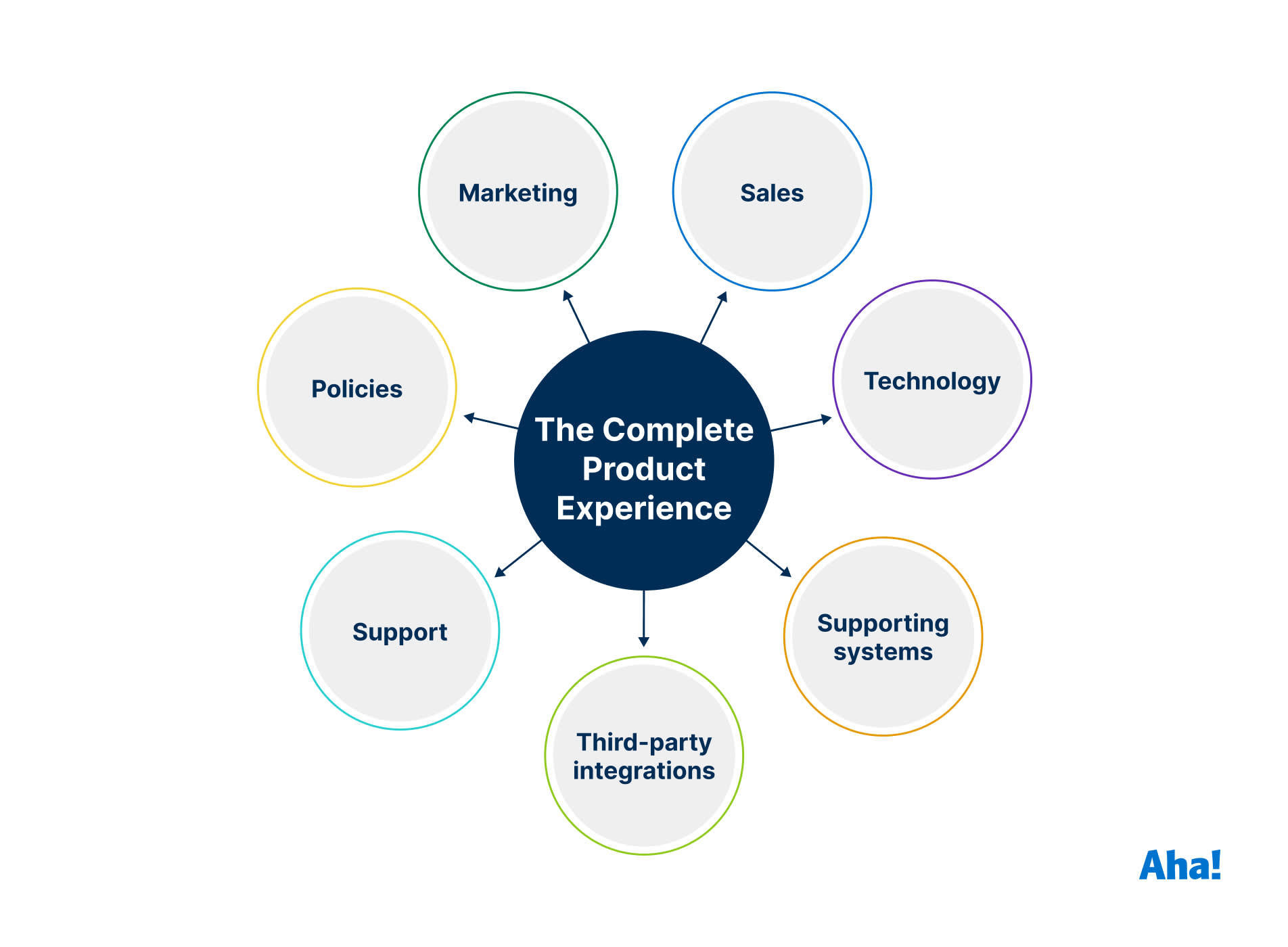
Take a look at the graphic below and the content that follows, which explore the CPE's core parts: