Top
How to run a product team meeting
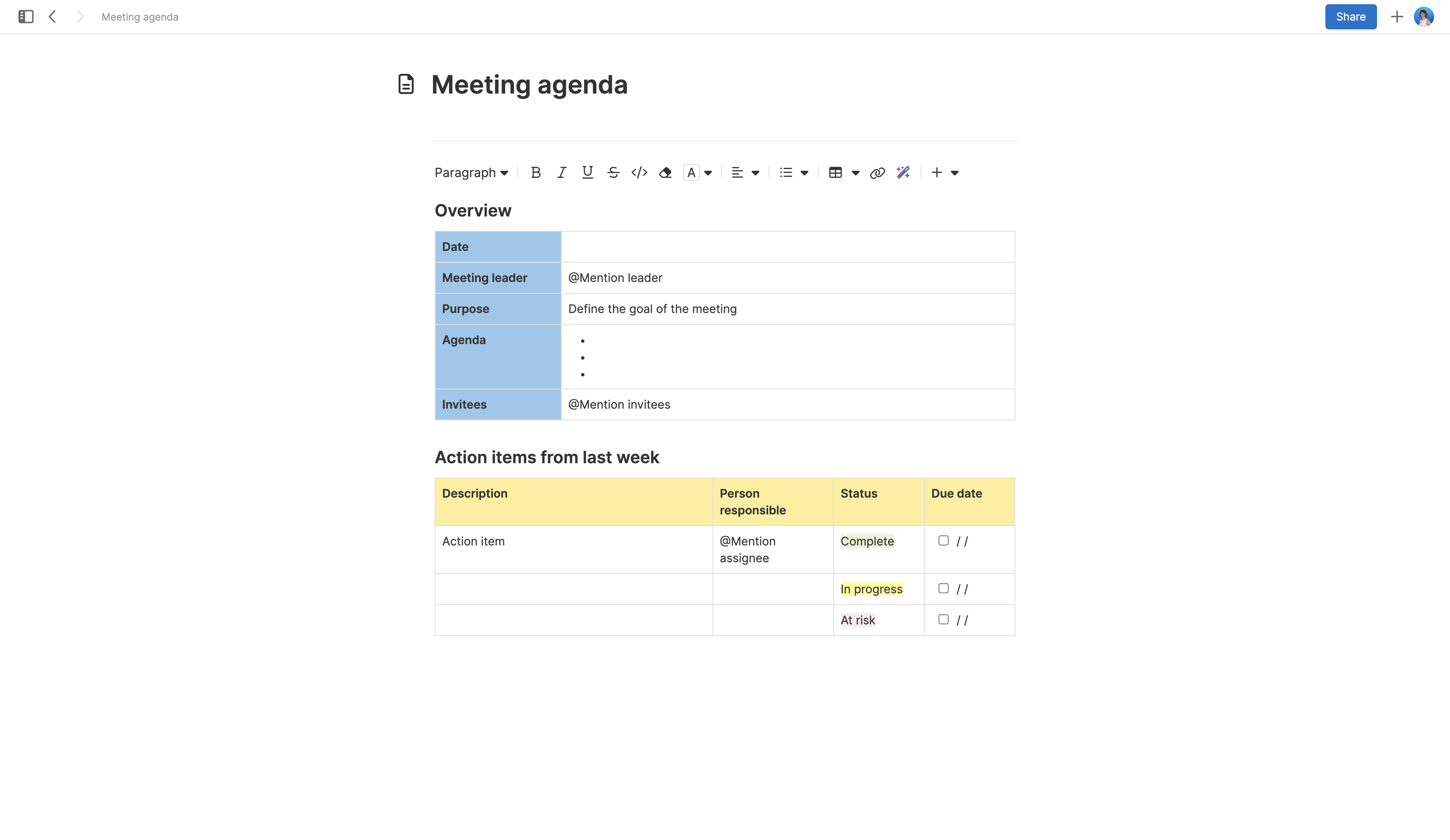
Like all types of meetings, product meetings benefit from the typical advice for making your time together more efficient and enjoyable. Some general best practices? Create and share an agenda beforehand, come prepared to participate, start with an icebreaker, keep the discussion focused, and define next steps going forward.
But because of their cross-functional nature, product team meetings have their own set of additional best practices — specific to building more lovable products together. Our own product team at Aha! meets weekly and typically includes team members from product management, UX, product marketing, customer success, and engineering.
Below is advice from our team of product experts on how to make your meetings better. While the advice is especially relevant to fully remote software companies like ours, you will likely be able to apply it to your own product team meetings — no matter what type of company you work at.
Lead with curiosity:
Be open to learning from cross-functional teammates such as engineering and customer-facing groups. Give members of each team an opportunity to share information and learnings. Listen, seek input, and ask questions to better understand their different perspectives.
Return to customers:
Use empathy to approach problems from a customer-centric lens. How to achieve this? Ground your discussions in real customer examples, and rely on a mix of quantitative and qualitative data. This will help you internalize what your users are feeling and experiencing as they interact with your product.
Utilize visuals:
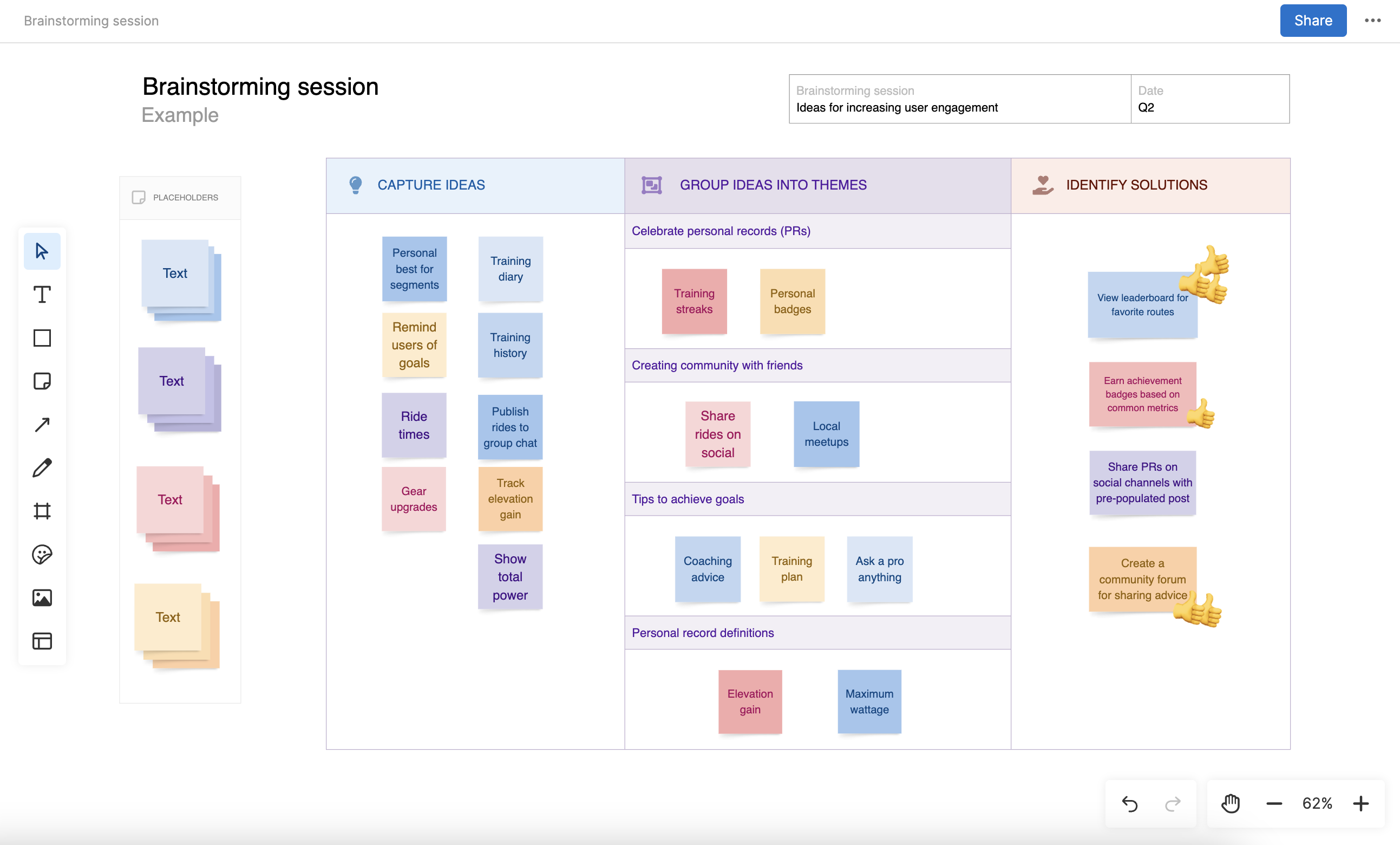
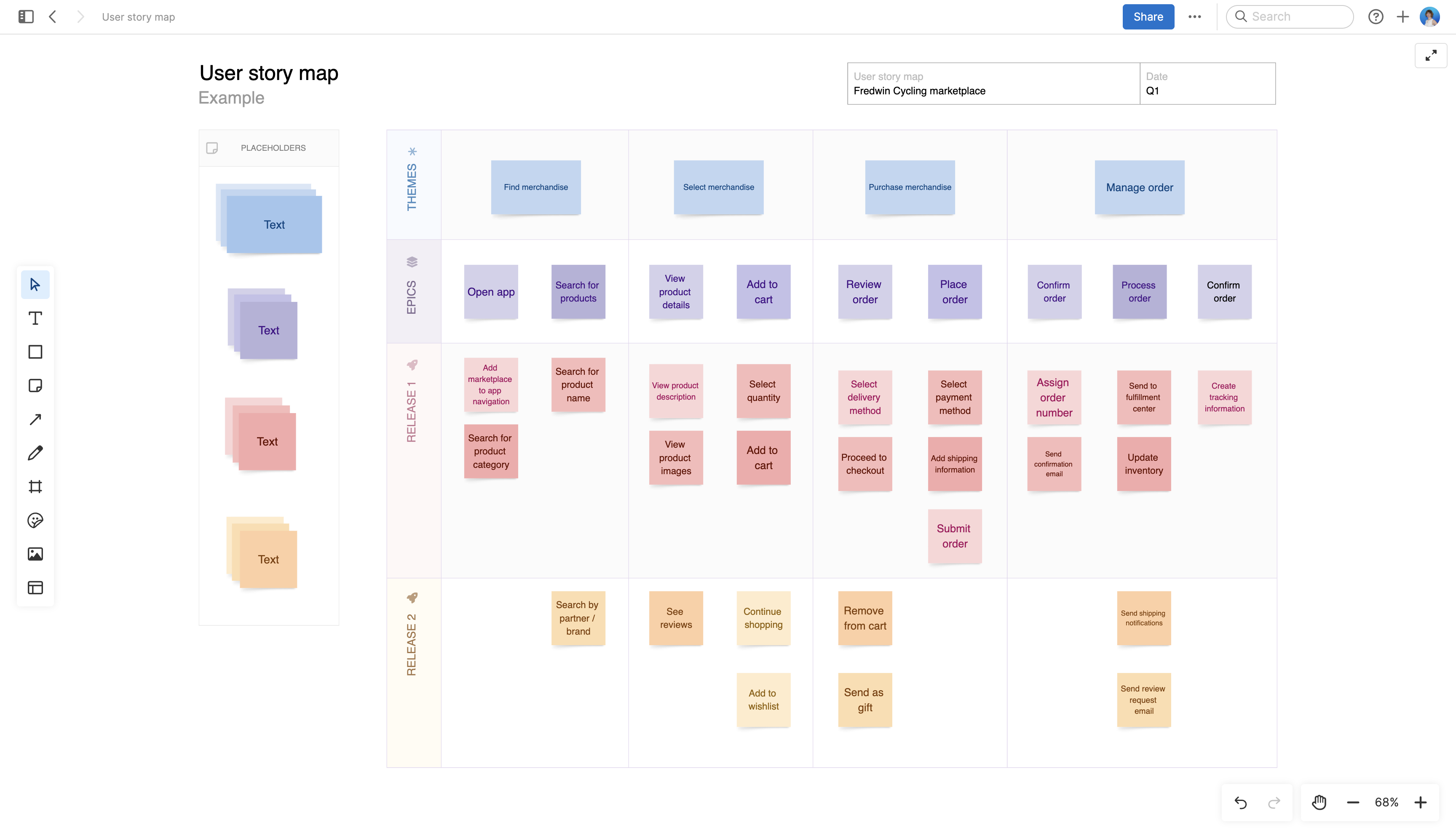
Diagrams, early-stage designs, and other visuals are a unifying force — making it easy for the entire team to picture and understand exactly what you are talking about. This is where whiteboarding software comes in handy. You can map out potential solutions to customer problems, discuss sketches for product enhancements, and collaborate in real time.
Debate with kindness:
Welcome disagreements and debate respectfully. Absorbing different viewpoints can help you uncover insights you can use to improve the product. Remember that you are all working towards the same goal — delivering a lovable experience for customers.
Build momentum:
Devote five to 10 minutes at the end of each meeting to recap key points and discuss what comes next. Assign action items for specific team members to complete before your next gathering. Using Aha! software, you can add to-dos directly to the meeting note — so everyone can see who is responsible for completing important tasks (and when).
Top